

Do Tattoos Stretch? The Truth About Ink and Skin Changes
Tattoos are designed to last a lifetime — but the skin they live in is constantly changing. As we age, gain or lose weight, build muscle, or experience natural shifts in skin elasticity, many people wonder:
Do tattoos stretch?
The short answer is yes — tattoos can stretch slightly as the skin changes. But the reality is more nuanced than many people think. When tattoos are designed properly and placed thoughtfully, most changes are subtle and often barely noticeable.
At Brass Knuckles Ink Tattoo Studio in the Bronx, we design tattoos with long-term skin behavior in mind. Understanding how tattoos interact with the body ensures the artwork continues to look strong and balanced for years. This guide explores how tattoos stretch, what factors influence those changes, and how to choose tattoo placements that age well.
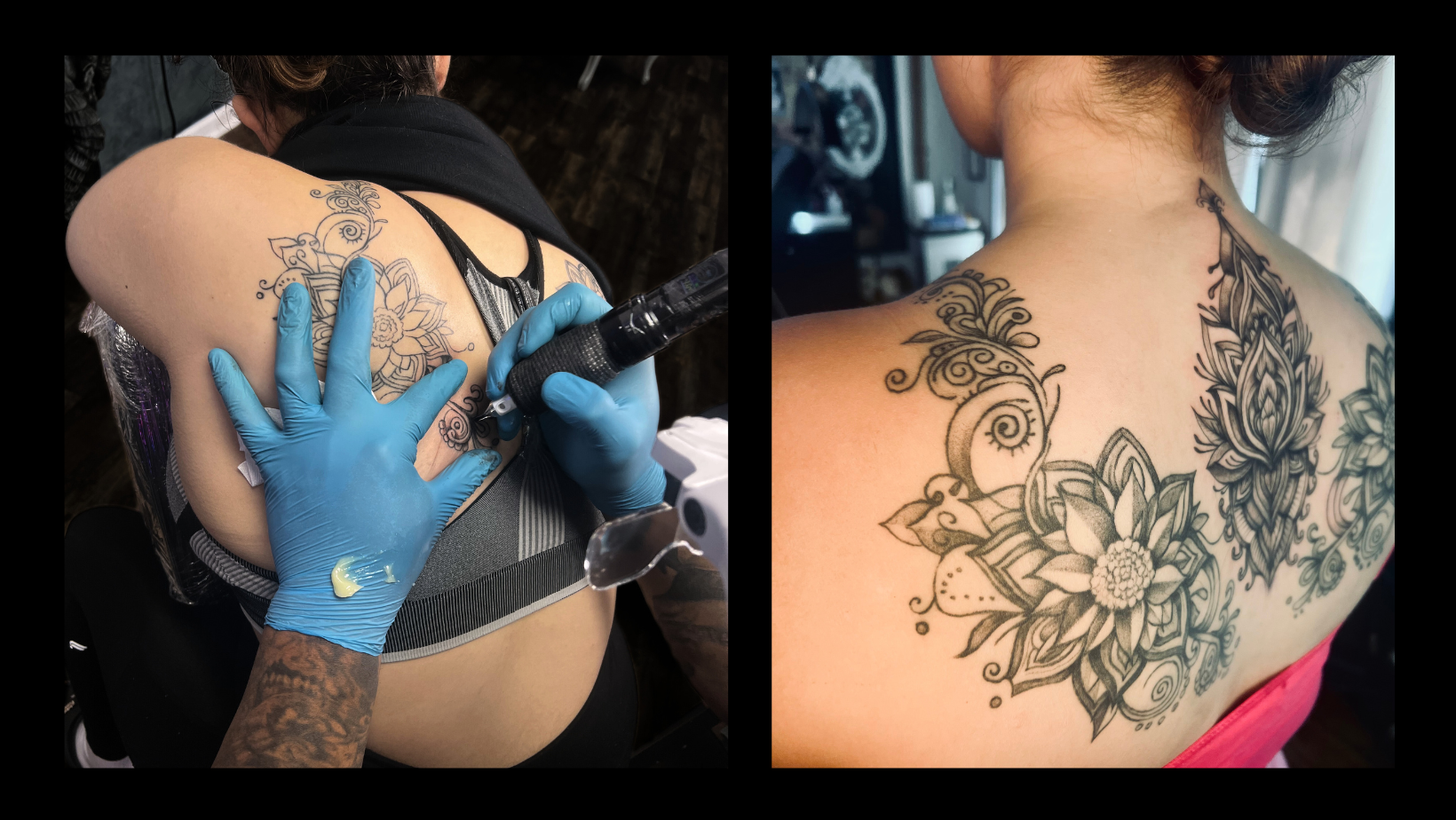
Custom black and grey floral mandala back tattoo featuring detailed lotus and ornamental linework, completed at Brass Knuckles Ink Tattoo Studio in the Bronx, NYC.
Do Tattoos Actually Stretch?
Tattoos Move With Your Skin
A tattoo sits within the dermis layer of the skin. Because the skin expands and contracts naturally, tattoos move with it. This means tattoos can stretch slightly due to:
weight gain or loss
muscle growth
pregnancy
natural aging
skin elasticity changes
However, most gradual body changes cause very minimal distortion, especially when the tattoo is well-designed. Large or dramatic changes to the body are more likely to affect the tattoo’s appearance.
How Weight Changes Affect Tattoos
Gradual Changes Usually Have Minimal Impact
One of the biggest concerns people have is how tattoos respond to weight gain or weight loss. In most cases, moderate weight changes will not significantly distort a tattoo. This is because skin expands and contracts gradually. However, larger or rapid changes in body weight can sometimes affect:
tattoo proportions
line spacing
shading balance
Areas with softer skin, such as the stomach or inner thighs, may experience slightly more stretching than firmer areas like the forearms.
Muscle Growth and Tattoos
Tattoos Adapt to Muscle Changes
Many people worry that building muscle will distort their tattoos. In reality, tattoos usually adapt well to gradual muscle growth. As muscles grow, the skin stretches evenly, which typically maintains the design’s proportions. In some cases, muscle development can actually make tattoos look more defined, especially on areas like:
upper arms
shoulders
chest
calves
Only extreme muscle changes are likely to noticeably alter the tattoo’s shape.
Pregnancy and Tattoos
Temporary Stretching Can Occur
Pregnancy can temporarily stretch skin, particularly around the abdomen. Tattoos in areas such as the stomach or hips may stretch as the skin expands. After pregnancy, many tattoos return close to their original appearance once the skin contracts again.
However, factors like:
genetics
skin elasticity
stretch marks
can influence how the tattoo ultimately looks after healing. Because of this, some individuals choose to place tattoos in areas less affected by pregnancy-related stretching.
Aging and Skin Elasticity
Natural Changes Over Time
As we age, the skin naturally loses some elasticity. This process can cause tattoos to soften slightly over decades. Common aging effects include:
slightly softer lines
subtle fading
minor spreading of pigment
These changes are gradual and typically occur over many years. With proper tattoo design and good skin care, tattoos can continue to look strong long-term.
Tattoo Placement and Stretching
Some parts of the body experience more movement and stretching than others.
Areas That Typically Age Well
These areas tend to maintain tattoo shape better:
outer forearms
upper arms
shoulders
upper back
calves
These locations have relatively stable skin and less dramatic stretching.
Areas More Prone to Change
These areas experience more movement or elasticity changes:
stomach
hips
inner thighs
lower back
sides of the torso
This does not mean tattoos shouldn’t be placed in these areas, but artists often adjust the design accordingly.
Designing Tattoos That Age Well
Professional tattoo artists design tattoos with longevity in mind. Important design considerations include:
strong line work
balanced spacing
thoughtful placement
appropriate size for the area
Designs that rely on clear contrast and proper spacing tend to age more gracefully. This is why consultation is such an important part of the tattoo process.
“Tattoos move with the body. When a tattoo is designed properly and placed thoughtfully, most natural body changes won’t significantly affect the artwork.”
Tips for Maintaining Tattoo Appearance
While some skin changes are natural, certain habits help maintain tattoos over time.
Protect Your Skin From Sun Exposure
UV exposure can cause fading and pigment breakdown. Using sunscreen helps preserve tattoo clarity.
Maintain Healthy Skin
Hydrated, healthy skin helps tattoos remain vibrant and balanced.
Avoid Rapid Weight Fluctuations
Gradual body changes tend to affect tattoos less than rapid weight changes.
Choose an Experienced Tattoo Artist
Proper placement and design significantly reduce the chances of noticeable distortion. Professional artists design tattoos that work with the body’s natural structure.
FAQ: Tattoos and Skin Changes
Do tattoos stretch when you gain weight?
They can stretch slightly, but gradual weight gain usually causes minimal visible change.
Do tattoos shrink if you lose weight?
Minor weight loss usually has little effect on tattoos. Extreme weight loss may slightly alter proportions.
Do tattoos stretch with muscle growth?
Most tattoos adapt well to gradual muscle growth and often maintain their shape.
What tattoo placements stretch the least?
Areas like the upper arms, forearms, shoulders, and calves tend to experience less distortion.
Tattoos Are Designed to Age With You
Your body evolves over time — and tattoos are meant to move with it. When designed thoughtfully and applied by experienced artists, tattoos can maintain their impact and clarity for many years despite natural changes in the skin. Understanding how skin behaves allows artists to create tattoos that age gracefully while remaining meaningful and visually strong.
Book Your Tattoo Consultation
If you’re considering a tattoo and want guidance on placement and longevity, our team can help you choose a design that works with your body. At Brass Knuckles Ink Tattoo Studio, we specialize in custom tattoos designed to age well and complement each client’s natural structure.
Book your consultation here:
https://www.brassknucklesink.com
Let’s create artwork built to last.
Additional Ink Canvas articles.
Hidden vs. Bold: Choosing the Right Tattoo Location: How tattoo placement affects longevity
Black & Grey vs Color Tattoos: Longevity and Skin Considerations: How different tattoo styles age
Custom Tattoos: How to Bring Your Unique Idea to Life: The custom tattoo design process
For dermatology and skin-health resources:
American Academy of Dermatology
National Institutes of Health – Skin Care and Aging Research