

Microblading Gone Wrong: Can It Be Fixed?
“We don’t just correct pigment — we restore confidence, dignity, and the feeling of looking like yourself again.”
Permanent makeup should restore confidence — not take it away. Yet many women across the Bronx and NYC metro area come to us quietly asking the same question:
“My microblading looks wrong… can it be fixed?”
At The Laughing Widow Permanent Makeup, we believe in second chances. Whether your brows healed too dark, turned gray or red, look uneven, or simply don’t feel like you — correction is possible. And more importantly, confidence can be rebuilt. This guide explains what happens when microblading goes wrong, what your options are, and how correction truly works.
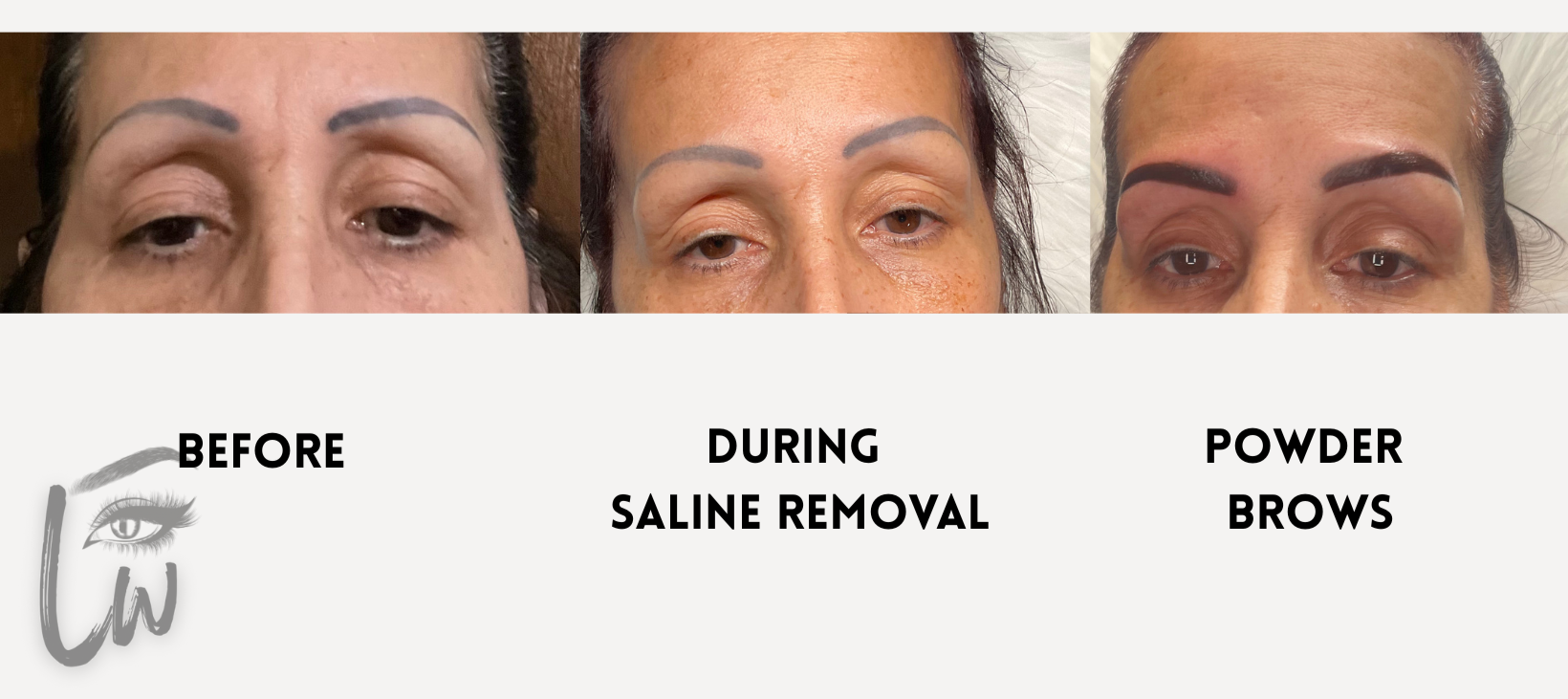
What Does “Microblading Gone Wrong” Really Mean?
Not all disappointing results are disasters. Sometimes the issue is subtle. Other times it’s obvious. Common concerns we see:
Brows healed too dark or ashy
Red, blue, or gray pigment shift
Uneven shape or asymmetry
Overly thick or harsh strokes
Blurred or migrated pigment
Poor color choice for skin tone
Scar tissue from aggressive technique
Microblading is a semi-permanent tattoo. Pigment is implanted into the skin using a blade. Over time, improper depth, pigment quality, and skin type can all affect how the results heal.
According to the American Academy of Dermatology, tattoo pigments can shift in color over time due to sun exposure, ink composition, and skin chemistry. This is why correction must be handled carefully and professionally.
Can Microblading Be Fixed?
Yes — in most cases, microblading correction is absolutely possible. The approach depends on:
How old the previous work is
Pigment depth
Skin condition
Presence of scar tissue
Desired final result
Correction is rarely a one-appointment solution. It requires strategy, patience, and technical expertise.
How We Fix Microblading Gone Wrong
At The Laughing Widow, correction is never rushed. We assess the skin first — not just the color.
1. Color Correction
If brows healed red, orange, gray, or blue, we use corrective pigments to neutralize unwanted tones before layering in the desired shade. Color correction works through complementary color theory. For example:
Orange neutralizes blue-gray
Olive tones neutralize red
This process restores balance before enhancement. You may also find our article on color boost and correction helpful when understanding pigment evolution.
2. Shape Restructuring
If the brow shape is uneven or poorly mapped, we carefully redesign:
Brow symmetry
Tail length
Arch placement
Overall softness
Sometimes this requires partial fading first before reshaping.
3. Saline Removal (When Necessary)
If pigment is too saturated or deeply implanted, lightening may be required before correction. Saline removal works by lifting pigment gradually from the skin. It is not instant and may require multiple sessions. The U.S. Food and Drug Administration notes that tattoo pigments are not always regulated for cosmetic procedures, which is why removal and correction require advanced training and caution.
4. Transitioning to Powder Brows
In many correction cases, we recommend switching from microblading to a soft powder brow technique. Powder brows:
Heal softer
Work better on mature or oily skin
Blend previous strokes more naturally
Provide longer-lasting results
If you are exploring this option, our blog on lip blushing and powder brows explains how these techniques differ from traditional microblading.
What to Expect During a Microblading Correction Consultation
Your consultation is the most important part of the process.
We will:
Assess skin texture and integrity
Examine pigment saturation
Discuss previous history
Review realistic expectations
Create a phased correction plan
You will leave understanding:
Whether correction is possible
How many sessions may be needed
Expected timeline
Investment range
Transparency builds trust — and trust rebuilds confidence.
Healing Timeline for Microblading Correction
Correction healing is similar to other PMU services but may vary depending on the approach used.
Days 1–3: Brows appear darker and more defined
Days 4–7: Light flaking or peeling
Week 2: Color softens
Week 6–8: Perfect time for refinement session
If saline removal is performed, healing may extend slightly longer and require more spacing between sessions.
For detailed healing guidance, you can reference our permanent makeup aftercare guide.
Who Is a Good Candidate?
Anyone unhappy with previous microblading results who has healthy skin and realistic expectations is typically a candidate for correction.
Who Should Avoid Treatment?
Individuals who are pregnant, actively undergoing chemotherapy, or have uncontrolled skin conditions in the brow area should postpone treatment until medically cleared.
Why Microblading Goes Wrong in the First Place
Understanding the “why” helps prevent repeat issues. Common causes include:
Inexperienced artist
Incorrect blade depth
Poor pigment selection
Lack of proper brow mapping
Rushing the process
Not accounting for skin type
Choosing the right artist is critical. If you’re researching providers, our guide on how to choose a PMU artist outlines what credentials and experience truly matter. To learn more about finding the right permanent makeup artist, check out our blog, “How to choose the right Permanent Makeup artist”
The Emotional Side of Brow Correction
Brows frame the face. When they feel wrong, it affects how you show up. Many of our clients are professional women — nurses, teachers, executives, entrepreneurs — who simply want to feel polished without daily stress. Correction is not about vanity. It’s about restoration.
Frequently Asked Questions
How long does microblading correction last?
Corrected brows typically last 1–3 years depending on skin type, lifestyle, and technique used. Powder brows often last longer than traditional microblading.
Can microblading correction be done in one session?
In minor cases, yes. In most cases — especially color correction or removal — expect 2–3 sessions for optimal, safe results.
How to Prevent Microblading Regret in the Future
Before booking any artist:
Review healed results (not just fresh work)
Ask about correction experience
Ensure sterile practices
Verify training certifications
Ask what happens if you dislike your results
An experienced correction artist should confidently answer every one of these questions.