

Tattoo Touch-Ups: When and Why You Might Need One
Even the best tattoos evolve over time. A tattoo is designed to last a lifetime, but because it lives within your skin — a constantly changing organ — it can shift slightly as the years pass. Colors soften, lines settle, and certain areas may heal differently than expected. That’s where tattoo touch-ups come in.
A touch-up isn’t a sign that something went wrong. In many cases, it’s simply part of maintaining your tattoo so the artwork continues to look crisp and vibrant.
At Brass Knuckles Ink Tattoo Studio in the Bronx, we believe great tattoos should age gracefully. When necessary, touch-ups help restore clarity, strengthen color, and keep your tattoo looking its best. This guide explains when tattoo touch-ups are needed, why they happen, and how they help maintain the quality of your ink.
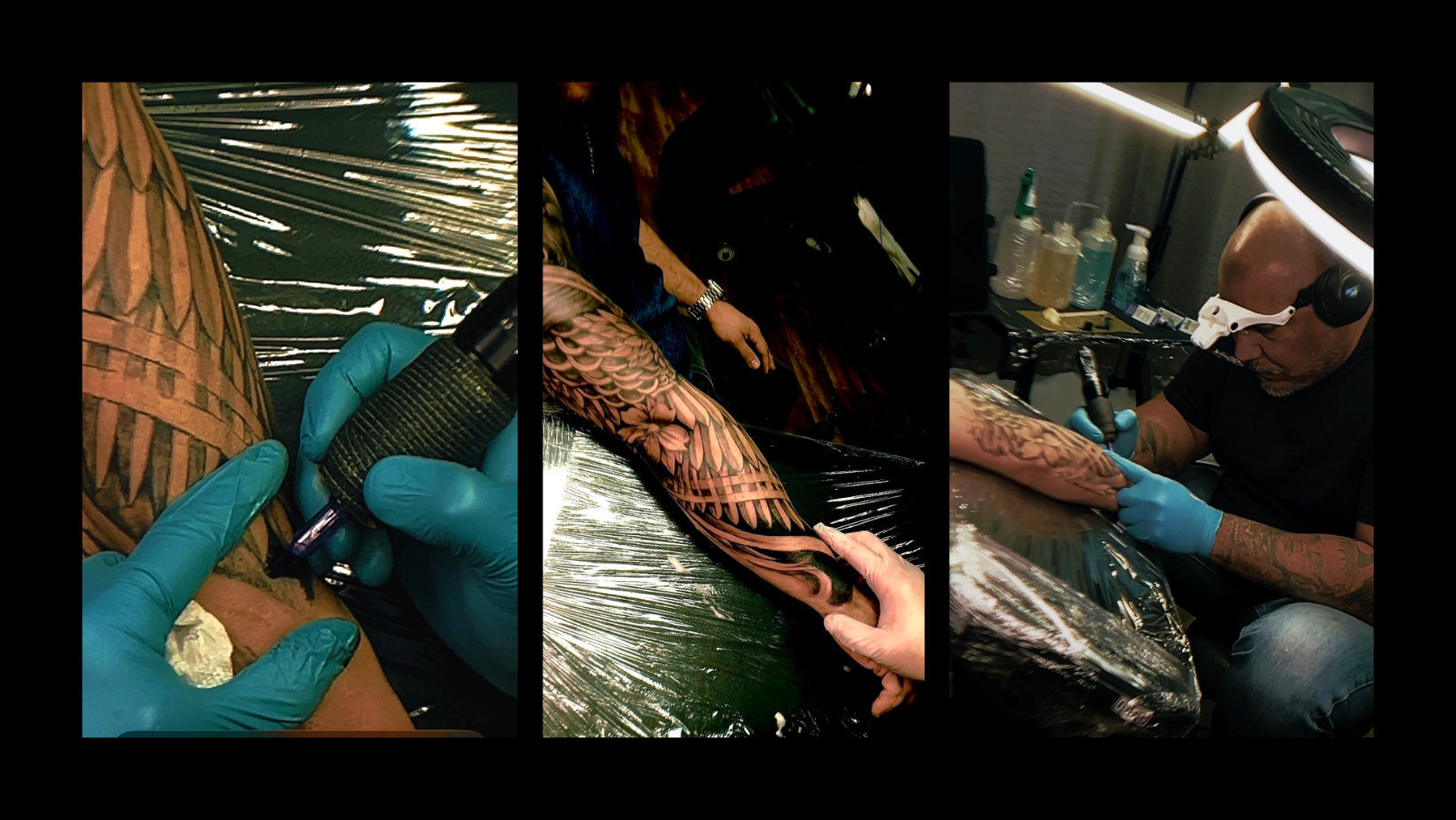
What Is a Tattoo Touch-Up?
A Refinement After the Healing Process
A tattoo touch-up is a minor session where the artist reinforces areas of the tattoo that may have healed unevenly or softened over time. During a touch-up appointment, the artist may:
Reinforce line work
Restore faded shading
Brighten color saturation
Adjust minor details
Balance pigment distribution
Most touch-ups are relatively quick because the core design is already complete. The goal is simply to restore the tattoo’s original clarity and impact.
When Do Tattoos Typically Need a Touch-Up?
After the Initial Healing Period
The most common touch-up happens after the tattoo has fully healed. Healing takes approximately 4–6 weeks, depending on the size of the tattoo and how the skin responds. Once healing is complete, the artist can evaluate how the pigment settled in the skin. Reasons a touch-up might be needed include:
Small areas where pigment healed lighter
Skin rejecting ink in certain spots
Minor line inconsistencies
Areas affected by excessive movement or friction
These adjustments help finalize the tattoo and ensure the design looks exactly as intended.
Why Some Tattoos Heal Unevenly
Healing is not identical for every person. Even when a tattoo is applied perfectly, several natural factors can influence how pigment settles.
Skin Type
Oily skin may soften certain lines or shading more than dry skin.
Tattoo Placement
Areas with frequent movement — such as hands, fingers, elbows, and knees — can affect pigment retention.
Aftercare Habits
Improper aftercare can cause:
Excessive scabbing
Premature pigment loss
uneven healing
Lifestyle Factors
Sun exposure, sweating, and friction from clothing can also influence healing. Because of these variables, touch-ups are considered a normal part of professional tattooing.
Long-Term Tattoo Touch-Ups
Refreshing Tattoos Years Later
In addition to post-healing touch-ups, tattoos may need refreshing years down the road. Over time, natural skin changes and environmental exposure can soften tattoos. Common reasons for long-term touch-ups include:
Sun exposure fading pigment
Aging skin softening contrast
Colors losing vibrancy
Small areas becoming less defined
A touch-up session can restore depth, contrast, and vibrancy while preserving the original design.
Do All Tattoos Need Touch-Ups?
Not necessarily. Many tattoos heal beautifully without needing adjustments. However, certain types of tattoos are more likely to benefit from touch-ups.
Large Detailed Tattoos
Complex pieces such as sleeves or back pieces sometimes require small refinements after healing.
Color Tattoos
Color pigments may occasionally settle unevenly during healing.
Fine Line Tattoos
Very delicate lines may soften slightly as the skin regenerates.
High-Movement Areas
Hands, fingers, feet, and elbows experience more friction and may need occasional refreshing. Touch-ups ensure these tattoos maintain their intended clarity.
“A touch-up isn’t about fixing a tattoo — it’s about perfecting it. Even great tattoos sometimes need small refinements once the skin fully heals.”
Signs Your Tattoo Might Need a Touch-Up
If you notice any of the following after the healing process, a touch-up may help restore the tattoo.
Certain areas appear lighter than others
Lines look softer than expected
Color saturation is uneven
Small details lost clarity during healing
These issues are typically minor and easily corrected during a short follow-up session.
How to Reduce the Need for Touch-Ups
While some touch-ups are normal, proper care can help tattoos heal more evenly.
Follow Aftercare Instructions Carefully
Keeping the tattoo clean and protected during healing supports better pigment retention.
Avoid Excessive Sun Exposure
UV exposure is one of the leading causes of tattoo fading. Using sunscreen on healed tattoos helps preserve the ink.
Avoid Picking or Scratching
Picking scabs can pull pigment from the skin and affect the final result. Allow the tattoo to heal naturally.
Choose an Experienced Tattoo Artist
Professional artists understand:
proper ink depth
skin behavior
design longevity
This significantly reduces the likelihood of uneven healing.
FAQ: Tattoo Touch-Ups
How long should I wait before getting a tattoo touch-up?
Most artists recommend waiting 4–6 weeks until the tattoo is fully healed before evaluating whether a touch-up is needed.
Do all tattoos fade over time?
Yes. Tattoos naturally soften slightly over time as the skin regenerates. Proper care and sun protection help slow this process.
Why Touch-Ups Protect Your Tattoo Investment
A tattoo is more than decoration — it’s permanent artwork. Maintaining that artwork ensures the design continues to look sharp and readable as the years pass. Touch-ups help:
Maintain contrast and detail
Restore color vibrancy
Preserve the integrity of the design
Extend the life of the tattoo
When done professionally, a touch-up simply ensures the tattoo continues to look the way it was intended.
Book Your Consultation
If your tattoo has healed unevenly or faded over time, a professional touch-up can restore its clarity and depth. At Brass Knuckles Ink Tattoo Studio, we specialize in high-quality tattoos and long-term tattoo care.
Book a consultation here:
https://www.brassknucklesink.com
Let’s keep your ink looking its best.
Additional links available:
Tattoo Healing Stages: Full Guide to What to Expect: Understanding the tattoo healing process
Black & Grey vs Color Tattoos: Longevity and Aging. How different tattoo styles age over time
Best Tattoo Placements for First Timers: Choosing the right tattoo placement
Resources
American Academy of Dermatology