

Scar Cover-Up Tattoos: How Ink Can Redefine Your Skin
Scars tell stories. Sometimes those stories represent strength, healing, or survival. Other times, they can be reminders of experiences people would rather soften or transform.
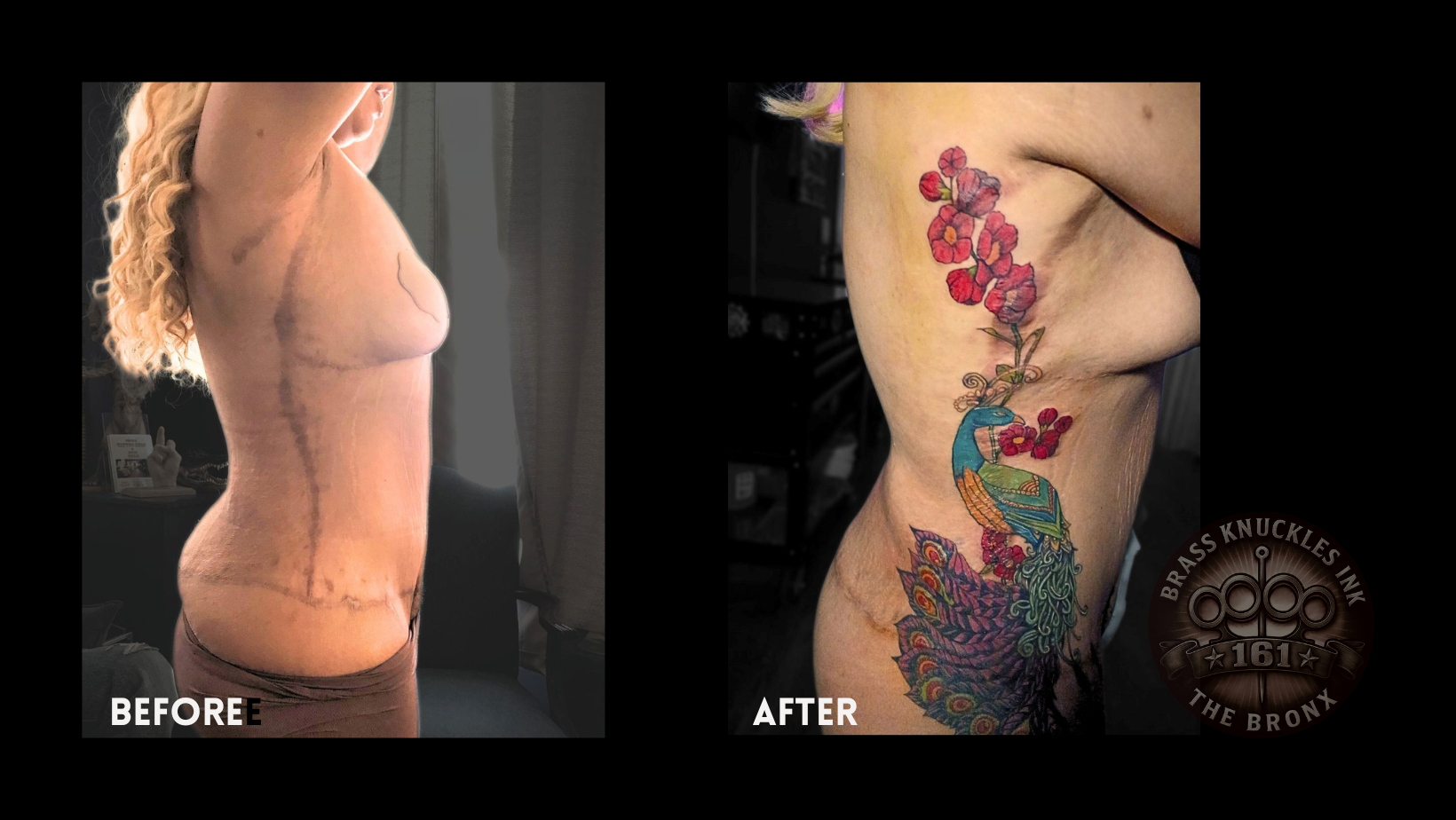
Scar cover-up tattoos offer a powerful option — turning scar tissue into meaningful artwork that redefines how the skin is seen and experienced. Instead of hiding the scar, a skilled tattoo artist can incorporate it into a design that restores confidence and creates something personal and beautiful.
At Brass Knuckles Ink Tattoo Studio, scar cover-up tattoos are approached with care, experience, and thoughtful design. Tattooing scar tissue requires a different level of expertise, but when done properly, it can transform the appearance of the skin while honoring the story behind it. This guide explains how scar cover-up tattoos work, when scars can be tattooed, and what to expect during the process.
Can You Tattoo Over Scars?
Yes — But Timing and Skin Condition Matter
One of the most common questions clients ask is whether tattooing over scars is possible. In many cases, the answer is yes. However, scar tissue must meet certain conditions before it can safely be tattooed. Generally, scars should be:
Fully healed
Smooth and stable
At least 12–18 months old
No longer pink or raised
Fresh scars should never be tattooed because the skin is still healing internally. An experienced tattoo artist will evaluate the scar during consultation to determine if it is ready for tattooing.
How Scar Tissue Affects Tattooing
Scar Tissue Behaves Differently Than Normal Skin
Tattooing scar tissue requires a careful approach because the skin structure has changed. Scar tissue may:
Absorb ink differently
Be more sensitive
Have uneven texture
Require slower tattooing techniques
Because of these factors, artists often adjust:
needle depth
machine speed
shading techniques
The goal is to ensure the pigment settles properly while respecting the skin’s condition.
Types of Scars That Can Be Tattooed
Many types of scars can be incorporated into tattoo designs. These include:
Surgical Scars
Common procedures that clients seek tattoo cover-ups for include:
C-section scars
orthopedic surgery scars
abdominal surgery scars
Injury Scars
Scars from accidents or injuries can often be blended into tattoo designs.
Self-Harm Scars
Some individuals choose tattooing as a way to transform difficult reminders into meaningful artwork.
Stretch Marks
While technically different from scars, stretch marks can sometimes be incorporated into tattoo designs depending on their condition. Every case is unique, which is why a professional consultation is essential.
Designing Tattoos Around Scar Tissue
Turning Texture Into Part of the Artwork
Scar cover-up tattoos are rarely simple overlays. Instead, the design is carefully created to work with the scar rather than fight against it. Artists often incorporate the scar into the artwork through:
flowing elements
shading transitions
organic shapes
natural textures
Popular scar cover-up tattoo themes include:
floral designs
botanical elements
abstract patterns
ornamental tattoos
realism shading
These designs help blend the scar into the overall composition so it becomes part of the artwork rather than the focal point.
Tattoo Styles That Work Well for Scar Cover-Ups
Certain tattoo styles are especially effective when working with scar tissue.
Black & Grey Realism
Soft shading can blend texture differences and create depth.
Illustrative Designs
Organic shapes allow the scar to integrate naturally into the design.
Floral Tattoos
Petals and leaves are often used to flow around the scar tissue.
Abstract Tattoos
Patterns and textures can redirect visual attention away from the scar itself. A skilled artist selects the style based on scar texture, placement, and the client’s vision.
Healing Expectations for Scar Cover-Up Tattoos
Healing over scar tissue can differ slightly from healing over normal skin. Because scar tissue absorbs pigment differently, the tattoo may require:
additional healing time
more gentle aftercare
occasional touch-ups
Clients should follow the aftercare instructions carefully to support proper healing. In some cases, touch-ups may be recommended to refine pigment retention.
“Scar cover-up tattoos are some of the most meaningful pieces we create. They allow people to transform something difficult into artwork that represents strength and renewal.”
Important Considerations Before Tattooing a Scar
Before moving forward with a scar cover-up tattoo, a professional evaluation is essential. An experienced artist will assess:
scar age
skin texture
scar thickness
pigmentation changes
placement on the body
If the scar is not ready for tattooing, the artist may recommend waiting longer to allow the skin to fully mature. Patience is important when working with scar tissue.
FAQ: Scar Cover-Up Tattoos
How long after a scar forms can it be tattooed?
Most scars must be at least 12–18 months old before tattooing is considered safe.
Do scar cover-up tattoos hurt more?
Scar tissue can sometimes be more sensitive, but pain levels vary depending on the location and individual tolerance.
Will the scar completely disappear under the tattoo?
The scar itself will still exist in the skin, but the tattoo design can significantly reduce its visual prominence.
Do scar tattoos need touch-ups?
Occasionally. Scar tissue may hold pigment differently, so touch-ups can help refine the final result.
Why Experience Matters for Scar Cover-Up Tattoos
Tattooing scar tissue requires technical skill and thoughtful design. A professional artist understands how to:
evaluate scar readiness
design around texture
adjust tattoo techniques
create artwork that blends naturally with the skin
This ensures the tattoo enhances the skin rather than stressing it.
Book Your Scar Cover-Up Consultation
If you’re considering transforming a scar into meaningful artwork, a consultation is the best place to start. At Brass Knuckles Ink Tattoo Studio, we specialize in custom tattoo design and thoughtful scar cover-up work tailored to each individual.
Book your consultation here:
https://www.brassknucklesink.com
Let’s turn your story into art.
Add natural links to related Ink Canvas articles.
Custom Tattoos: How to Bring Your Unique Idea to Life
Tattoo Touch-Ups: When and Why You Might Need One
Black & Grey vs Color Tattoos: Longevity and Skin Considerations
Resources:
American Academy of Dermatology
National Institutes of Health (NIH) – Scar Formation Research